




Calculating the sample size for medical research studies demands meticulous consideration of various factors pivotal to its accuracy and relevance. Determining the sample size involves a complex interplay of parameters such as the anticipated effect size, desired level of statistical power, significance level, variability within the population, and the study design. Whether conducting clinical trials or observational studies, ensuring an adequately sized sample is essential to detect meaningful differences or effects, maintain statistical validity, and yield results that generalize to the target population. By employing robust statistical formulas or software tools and integrating key factors specific to the research question, we meticulously calculate the sample size, adhering to ethical guidelines and industry standards, ensuring that our medical research studies are powered to produce reliable and clinically significant outcomes.
Data collection in the medical field is a meticulous process involving the systematic gathering of information pertinent to healthcare, diseases, treatments, and patient outcomes. It encompasses various methodologies, including clinical trials, observational studies, surveys, medical record reviews, and diagnostic tests. Researchers collect diverse types of data such as patient demographics, medical histories, clinical measurements, laboratory results, and treatment interventions. Adherence to ethical guidelines, obtaining informed consent, and maintaining patient confidentiality are critical considerations throughout the data collection process. The quality and integrity of collected data directly impact the validity and reliability of subsequent analyses, influencing the development of evidence-based medical practices and contributing to advancements in healthcare.
Data analysis in the medical field involves comprehensive processing and interpretation of complex healthcare-related data to derive meaningful insights and facilitate informed decision-making. It encompasses various techniques, including descriptive statistics, inferential statistics, and advanced modeling methods. Analyzing medical data often involves examining patient records, clinical trial results, diagnostic tests, and treatment outcomes to identify patterns, correlations, and associations. This analysis aids in understanding disease trends, treatment efficacy, patient outcomes, and healthcare resource allocation. Moreover, rigorous data analysis in medicine plays a crucial role in shaping evidence-based practices, guiding medical research, and ultimately improving patient care and healthcare policies.
Clearly articulate the research question and specify the primary outcome or effect size to be detected.
* Significance Level (α)
* Power (1 - β):
* Expected Effect Size
Choose the appropriate statistical test based on the study design and research question (e.g., t-test, chi-square, ANOVA).
Account for potential dropout rates, anticipated attrition, or any other practical considerations might affect the sample size.
Validate the calculated sample size by considering its feasibility and practicality within the research context. Adjustments may be necessary based on resources, time constraints, or ethical considerations.
Determine the variability or standard deviation expected within the population being studied.
Use statistical formulas (e.g., for means, proportions) or specialized software tools (like EPI info, G*Power, PASS and R)
Input the previously determined parameters into the chosen formula or software tool to calculate the required sample size.
Clearly document the rationale and calculations behind the determined sample size in the research protocol or study plan.
Seek input from statisticians or research experts to validate the sample size calculation methodology and ensure its appropriateness for the study design.
Google Forms offers a versatile platform for streamlining data collection in medical research. Tailored forms facilitate patient surveys, clinical trial screenings, health assessments, and observational studies. These forms efficiently gather valuable insights into patient experiences, symptoms, disease progression, and treatment outcomes. With its user-friendly interface, customizable question types, and automated data organization in Google Sheets, Google Forms simplifies the process of collecting diverse medical data, enabling researchers to efficiently gather crucial information for studies, assessments, and public health initiatives while ensuring data security and compliance with ethical standards.

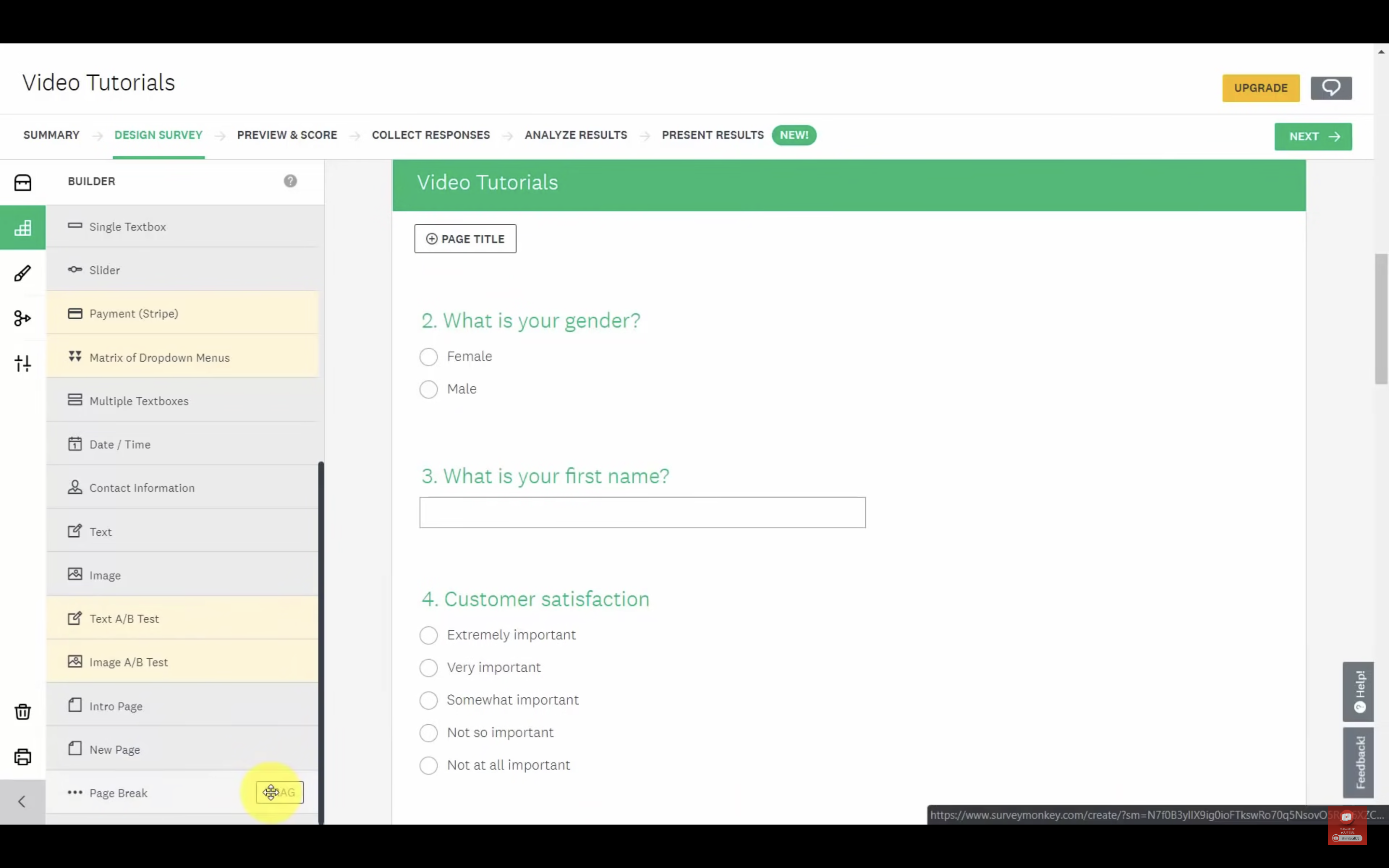
SurveyMonkey, a user-friendly tool, streamlines medical research by facilitating the creation of diverse surveys. Its intuitive interface and customization options allow researchers to gather valuable patient insights and public health data efficiently. With features like survey logic and HIPAA-compliant settings, SurveyMonkey ensures data quality and secure handling of sensitive medical information, making it an invaluable asset in conducting medical studies.
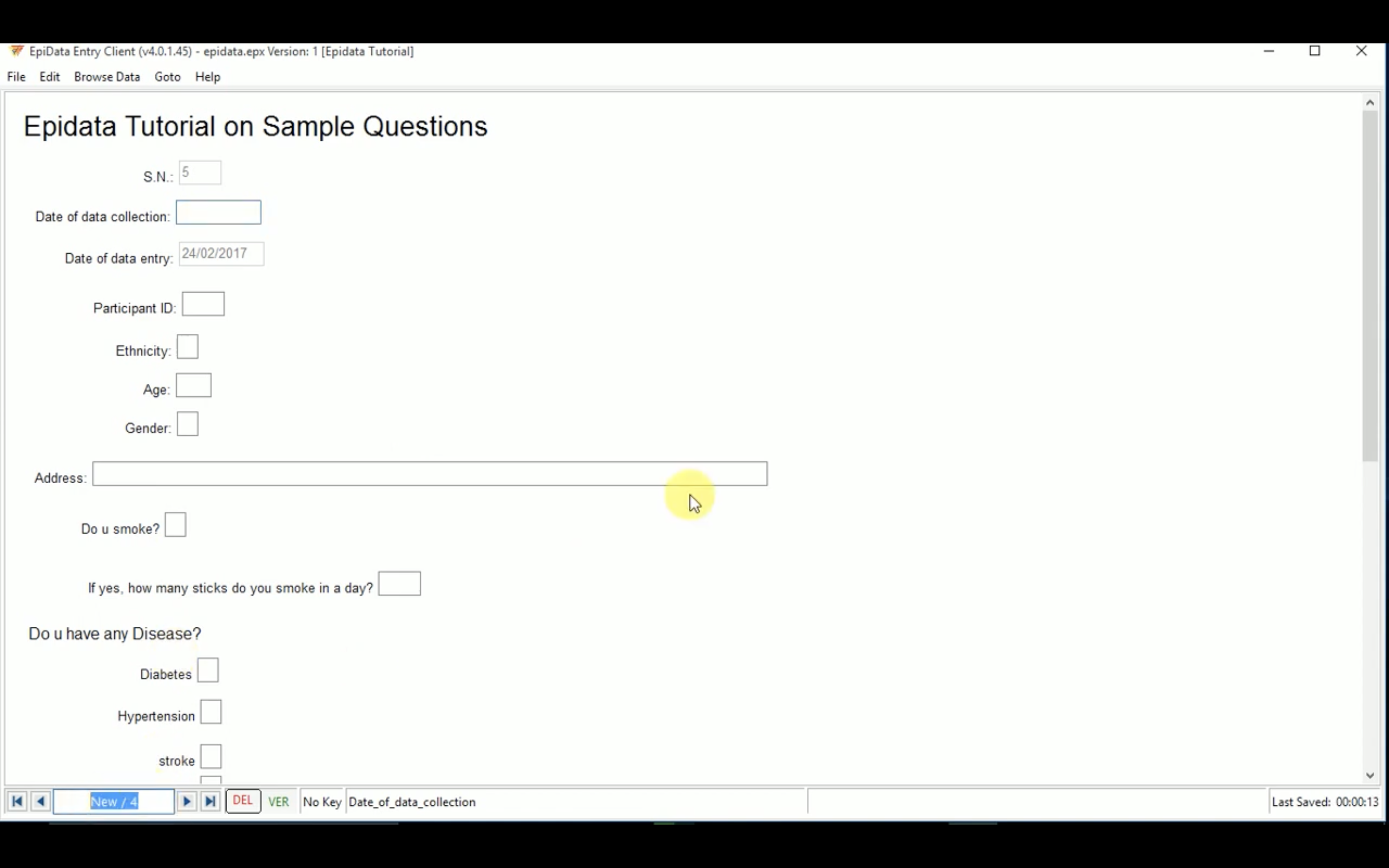
EpiData Entry stands as a fundamental tool in medical research, offering an efficient platform for data entry and management. Its straightforward interface allows researchers to input and organize diverse medical data with ease, ensuring accuracy and quality throughout the data collection process. With features designed for efficient data entry, validation, and secure storage, EpiData Entry streamlines the handling of medical information, supporting researchers in gathering and managing crucial data for impactful medical studies.
Microsoft Access serves as a robust database management tool pivotal in medical research, offering a versatile platform for organizing, storing, and analyzing vast arrays of healthcare-related data. Its user-friendly interface enables researchers to build comprehensive databases tailored to their specific research needs, allowing efficient entry, manipulation, and retrieval of medical information. With its capacity for data validation, query generation, and report generation functionalities, MS Access empowers researchers to manage and analyze complex medical datasets, facilitating evidence-based insights crucial for advancing medical knowledge and healthcare practices.

Microsoft Excel stands as a versatile tool for medical research, offering a familiar and accessible platform for data organization, analysis, and visualization. Its intuitive interface allows researchers to handle diverse medical datasets, perform calculations, and generate visual representations efficiently. With features for data sorting, filtering, and basic statistical analysis, Excel serves as a valuable tool for preliminary data examination and initial insights in medical studies. Its graphical capabilities aid in presenting trends or patterns, making Excel a foundational tool for researchers to manage and derive initial insights from medical data.